
Leads Are Not the Problem, Follow‑Up Speed Is the Difference Between Growth and Stagnation
Efficient response systems are the competitive edge that turns interest into revenue.
In the modern sales landscape, the ubiquity of leads is no longer the bottleneck. What separates thriving enterprises from those that stagnate is not the volume of inquiries, but the velocity with which those inquiries are acted upon. In a world where attention decays within minutes, swift follow‑up is not optional; it is a strategic imperative that determines whether potential turns into performance.
The Critical Role of Response Time in Lead Conversion
Lead response time, the interval between when a lead expresses interest and when it is contacted, dramatically influences conversion outcomes. Research shows that contacting a lead within the first five minutes can increase conversion likelihood by up to 100 times compared to waiting thirty minutes.
This dramatic falloff is not an abstract metric; it reflects human psychology. Prospects are most engaged at the moment of inquiry. Delay erodes excitement, increases cognitive friction, and opens the door for competitors to capture attention and wallet share.
The First Responder Wins: A Data‑Driven Reality
AI‑enabled tools and automation help sales teams reach prospects at the moment of peak intent.
Across industries, speed to lead metrics paint a clear truth: first responders convert more.
According to recent studies:
- Automated lead routing ensures new inquiries are instantly delivered to the appropriate representative.
- Real‑time alerts and AI‑powered workflows reduce manual delays and human bottlenecks.
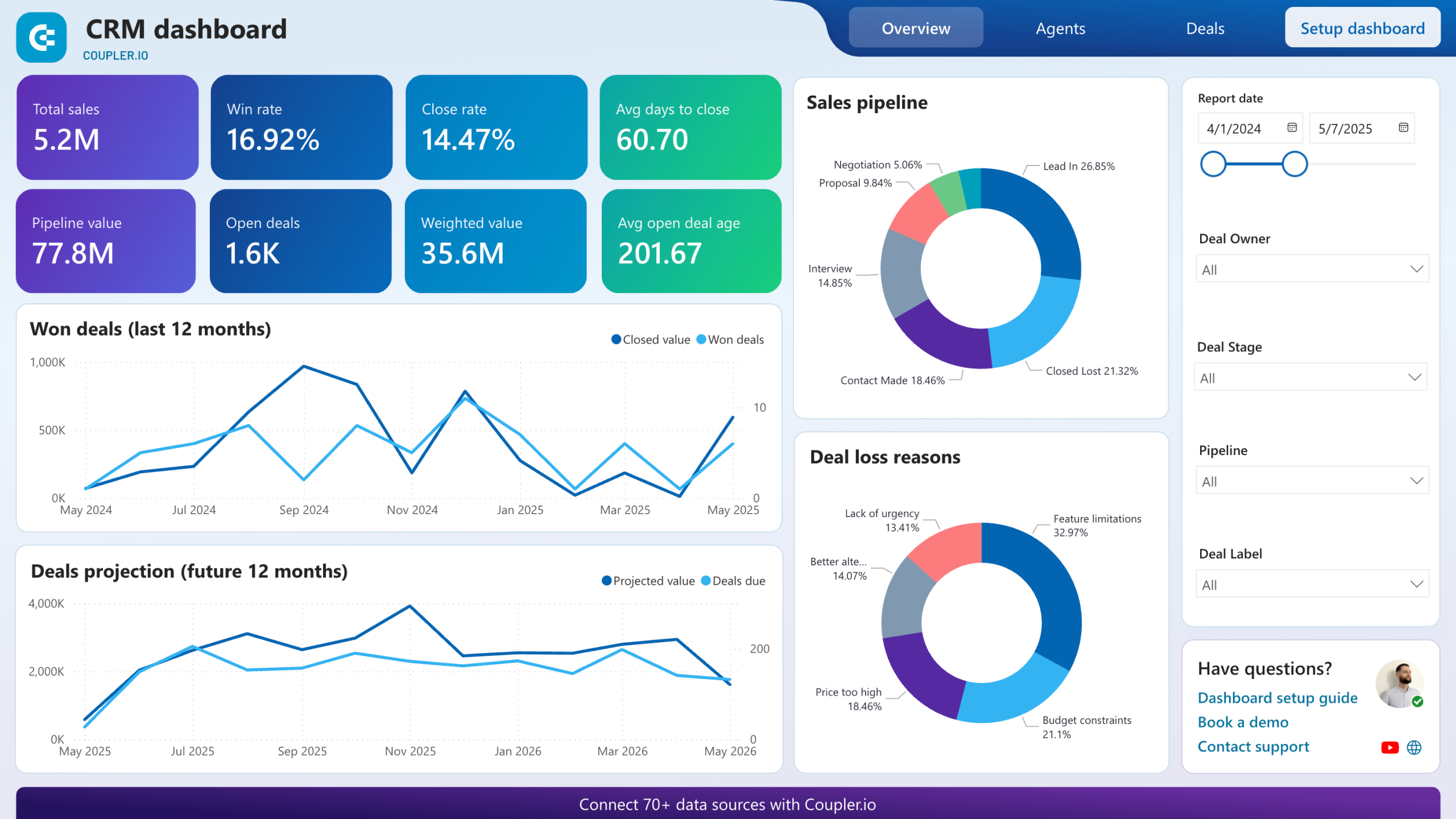
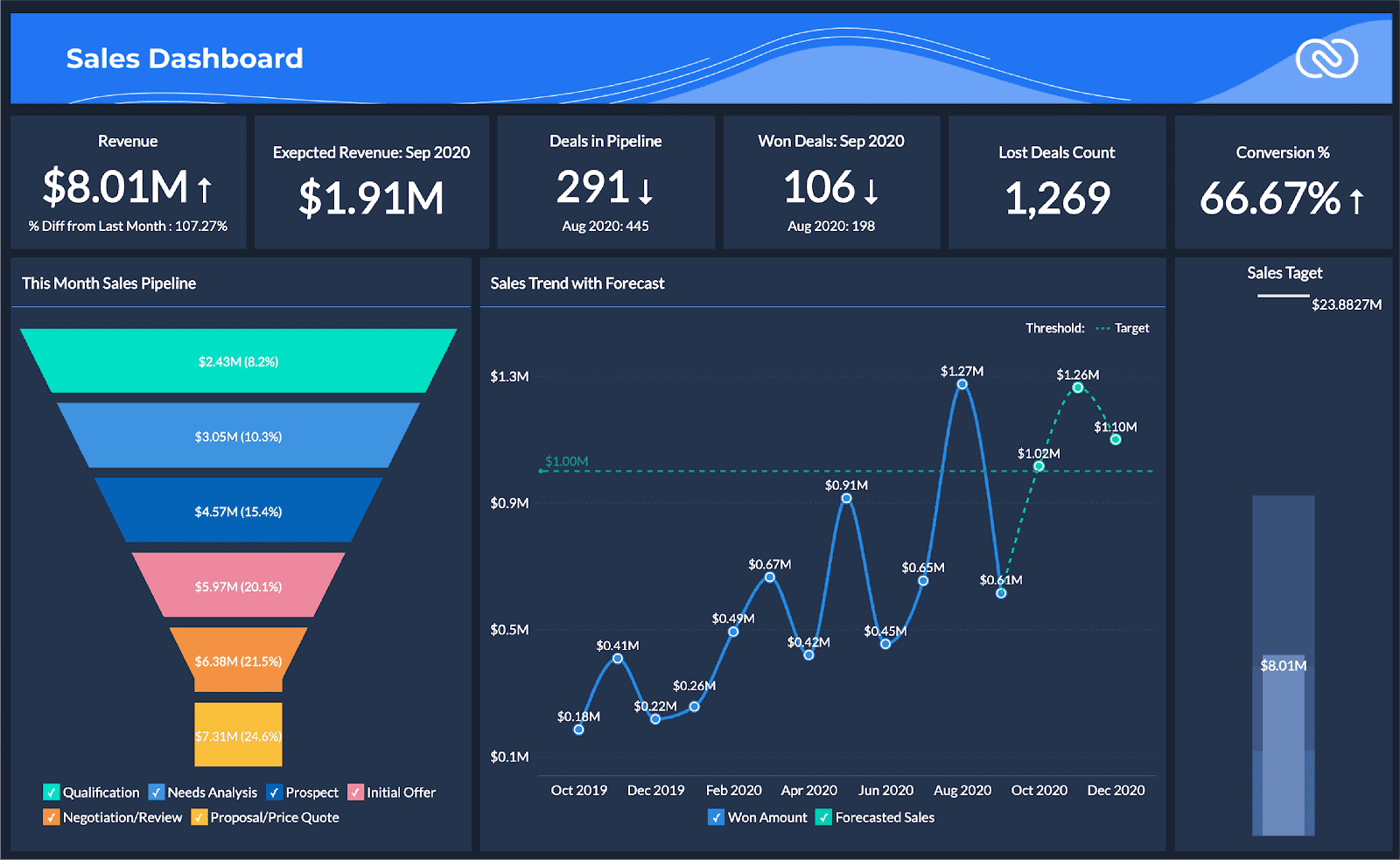
- CRM integrations and analytics dashboards provide visibility into response times and performance gaps.
These metrics underscore that time‑to‑respond is not a marginal advantage, it’s the central sales metric.
Why Attention Decays Faster Than Ever
In an age of instant information and relentless competition, prospects are inundated with choices. When someone expresses interest by filling out a form, requesting a demo, or engaging with content,mtheir attention is at its peak. But the clock starts ticking immediately.
Studies demonstrate that response windows measured in hours, let alone days, are incompatible with sustained engagement. Indeed, the average B2B response time hovers around 42 hours, leaving massive revenue untapped and many leads uncontacted.
Thus, what was once considered “acceptable” follow‑up time is now strategically lethal.
Bridging the Gap with Technology and Process
Integrating automation with CRM and AI tools shortens lead response time and captures attention before it fades.
To overcome the latency epidemic, high‑performing organizations blend automation, orchestration, and personalization:
- Automated lead routing ensures new inquiries are instantly delivered to the appropriate representative.
- Real‑time alerts and AI‑powered workflows reduce manual delays and human bottlenecks.
- CRM integrations and analytics dashboards provide visibility into response times and performance gaps.
These systems work in concert to compress response time, not by abandoning personalization, but by ensuring that the first touch is both immediate and relevant.
Speed as a Competitive Advantage
Every minute that passes without contact increases the risk that the lead’s moment of intent evaporates. Yet organizations that commit to rapid follow‑up secure not just conversions, they build reputational momentum.
Prompt engagement signals attentiveness, professionalism, and a customer‑centric ethos. By responding faster, you not only earn conversations, you shape the narrative about your brand’s commitment to responsiveness and value.
Attention Is the New Currency
In the attention economy, leads are plentiful, but attention is scarce and fleeting. The difference between growth and stagnation is no longer about who reaches more prospects, it is who reaches them before attention dissipates, and does so with relevance and precision.
If your sales process still measures response time in hours, you are inadvertently ceding competitive ground. The future belongs to teams and technologies that treat speed not as a luxury, but as the centerpiece of their revenue strategy. Because in today’s market, the first touch often defines the entire relationship that follows.
