

Consistency Begins with a Structured Foundation
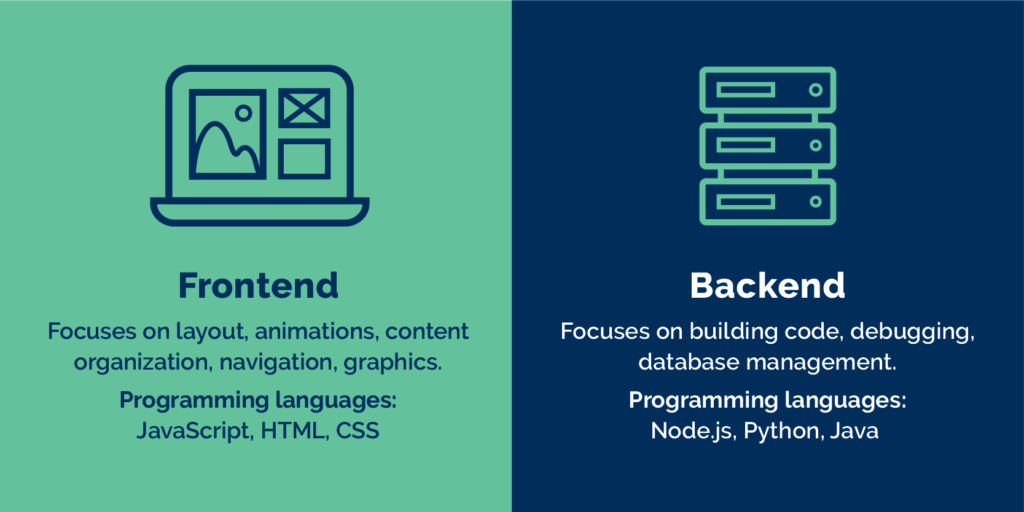
Websites and applications that operate smoothly under pressure are supported by carefully built infrastructure. While the user interface may appear simple, the back end must handle traffic, data flow, authentication, and rendering without interruption. This level of performance is not accidental. It requires disciplined design, long-term planning, and continuous refinement of systems.
Layered Systems Maintain Reliability
Strong platforms are organized into layers, each serving a specific function. These include content delivery, caching, database access, compute operations, and security enforcement. By separating concerns, systems become easier to maintain and scale. If one layer experiences an issue, the others continue to operate, reducing the likelihood of full-system failure.
Performance is Engineered, Not Assumed
Responsiveness is not a surface feature. It results from optimized database queries, pre-rendered assets, asynchronous processes, and real-time load balancing. Without these components, even well-designed interfaces can fail under real-world conditions. High-performance websites prepare for load increases before they occur, using predictive scaling and global distribution.
Monitoring and Logging Maintain Quality
Infrastructure must be monitored continuously. Logs and telemetry offer insight into performance metrics, error rates, and user behavior. When systems are observed in real time, issues are identified before they reach users. This allows engineering teams to maintain consistent quality without waiting for failure or user complaints.
Process is as Important as Technology
A reliable platform is not maintained by automation alone. Teams must follow deployment protocols, schedule updates, and conduct performance reviews. Recovery plans, rollback procedures, and access controls ensure that unexpected changes do not affect the user experience. Strong systems are supported by structured operations, not just technical components.
