When Standard Systems Are No Longer Enough
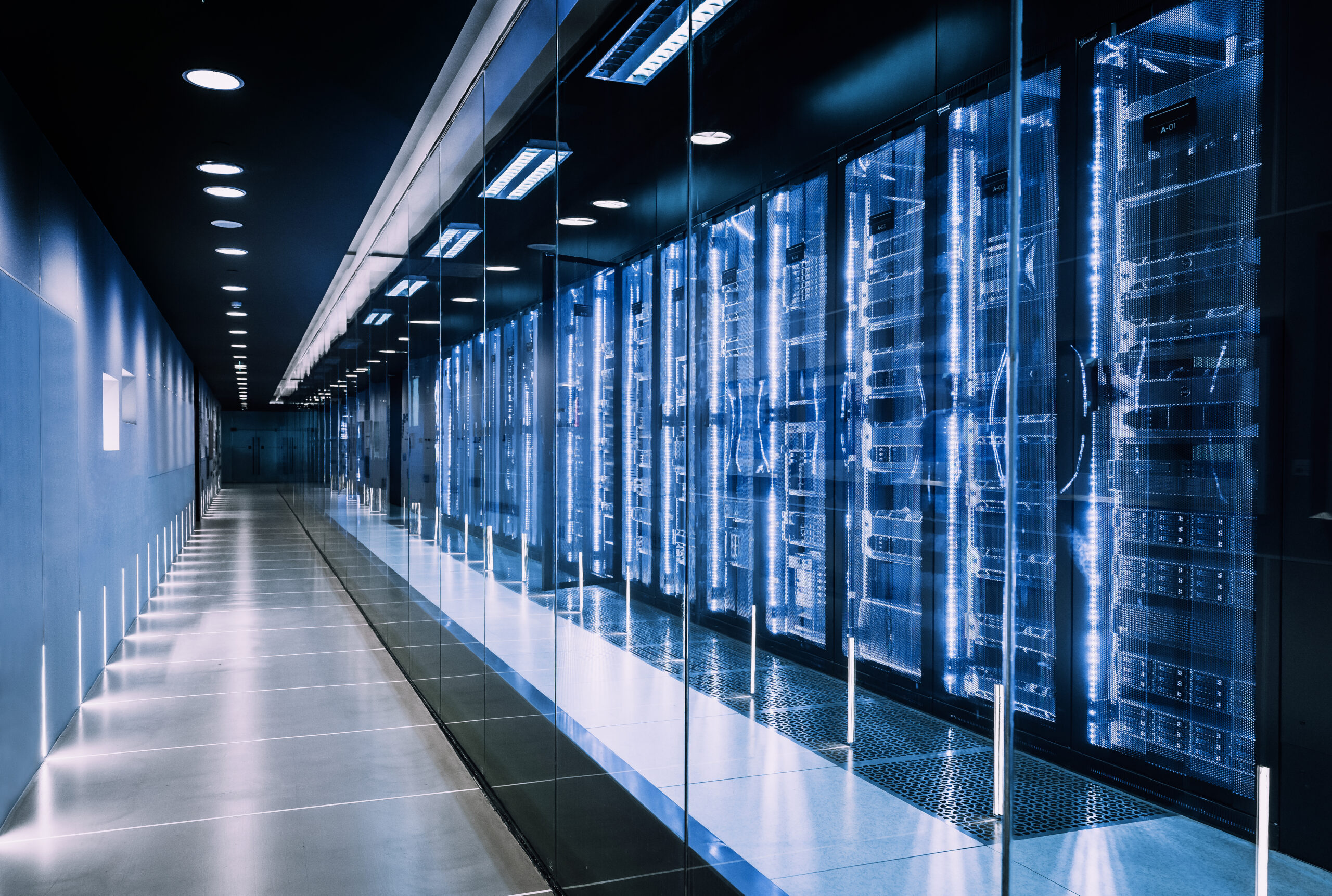
As businesses adopt more advanced tools, the demands placed on infrastructure change. Data processing increases. Models grow more complex. Workloads shift from simple transactions to computation-heavy tasks that require sustained performance. High-performance compute environments exist to support this shift without compromising stability elsewhere.
AI and advanced workloads depend on systems designed to handle intensity. These environments are built to process large volumes of data efficiently, execute complex operations, and maintain performance under sustained demand. The goal is not experimentation, but dependable capability.
Dedicated Capacity for Demanding Tasks
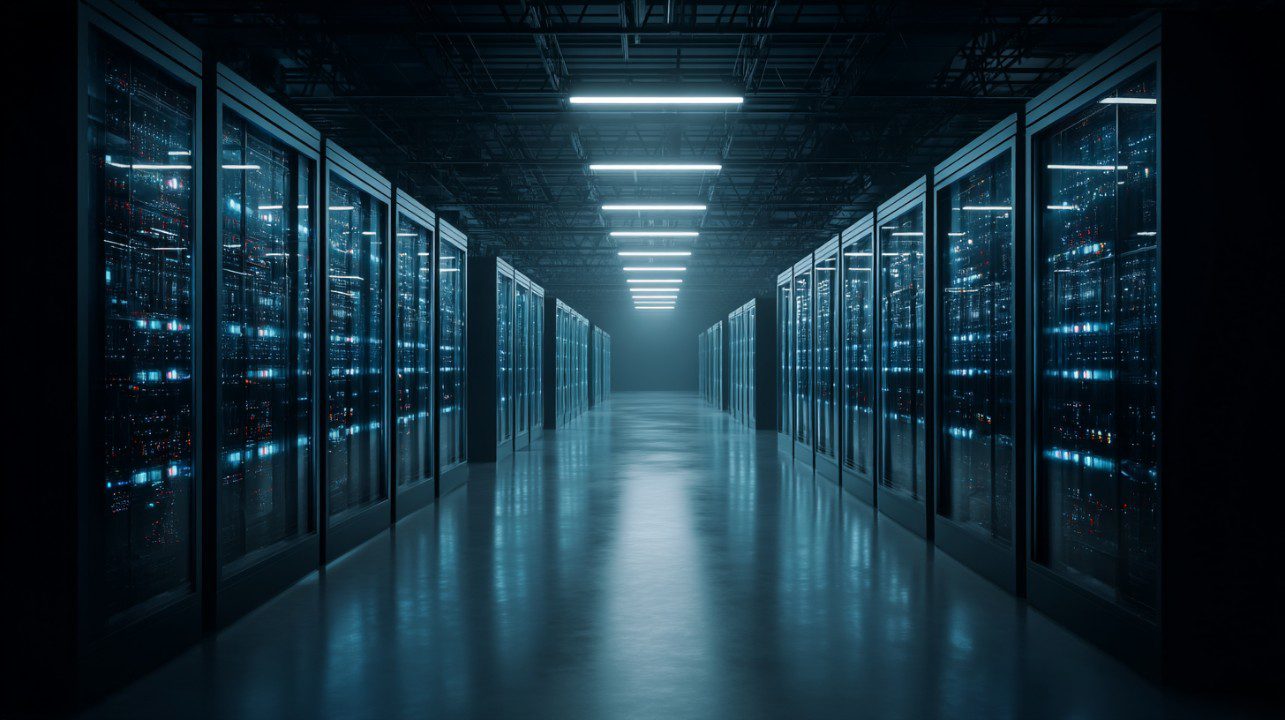
High-performance compute environments separate heavy workloads from everyday operations. This separation allows advanced processing to occur without affecting websites, internal tools, or customer-facing systems. Intensive tasks run where they belong, using infrastructure designed specifically for that purpose.
This structure supports reliability across the organization. AI workloads proceed without interruption. Core systems remain responsive. Resources are allocated intentionally rather than competing under a shared environment.
Consistency at Scale
Advanced workloads require more than raw power. They require consistency. Models must run predictably. Processing jobs must complete reliably. Results must remain repeatable over time. High-performance environments provide this consistency by maintaining stable conditions even as demand fluctuates.
As usage grows, these environments scale without introducing uncertainty. Capacity expands. Performance remains steady. Systems continue operating as expected, allowing advanced tools to integrate into regular operations rather than existing as isolated experiments.
Infrastructure That Enables Capability
AI and high-performance compute environments support capability by removing constraints. They allow businesses to run advanced processes confidently, knowing the infrastructure beneath them can sustain the load. This reliability transforms advanced technology from a risk into an operational asset.
When heavy computation is supported properly, it becomes part of the business rather than a bottleneck. Systems operate with clarity. Performance remains predictable. Advanced workloads run quietly in the background, enabling new possibilities without disrupting existing operations.
